How to get temporary residency in Mexico: The complete 2026 guide

Everything you need to know about applying for temporary residency in Mexico: who qualifies, what documents you need, how the two-stage process works, and what it actually costs.
IN THIS GUIDE
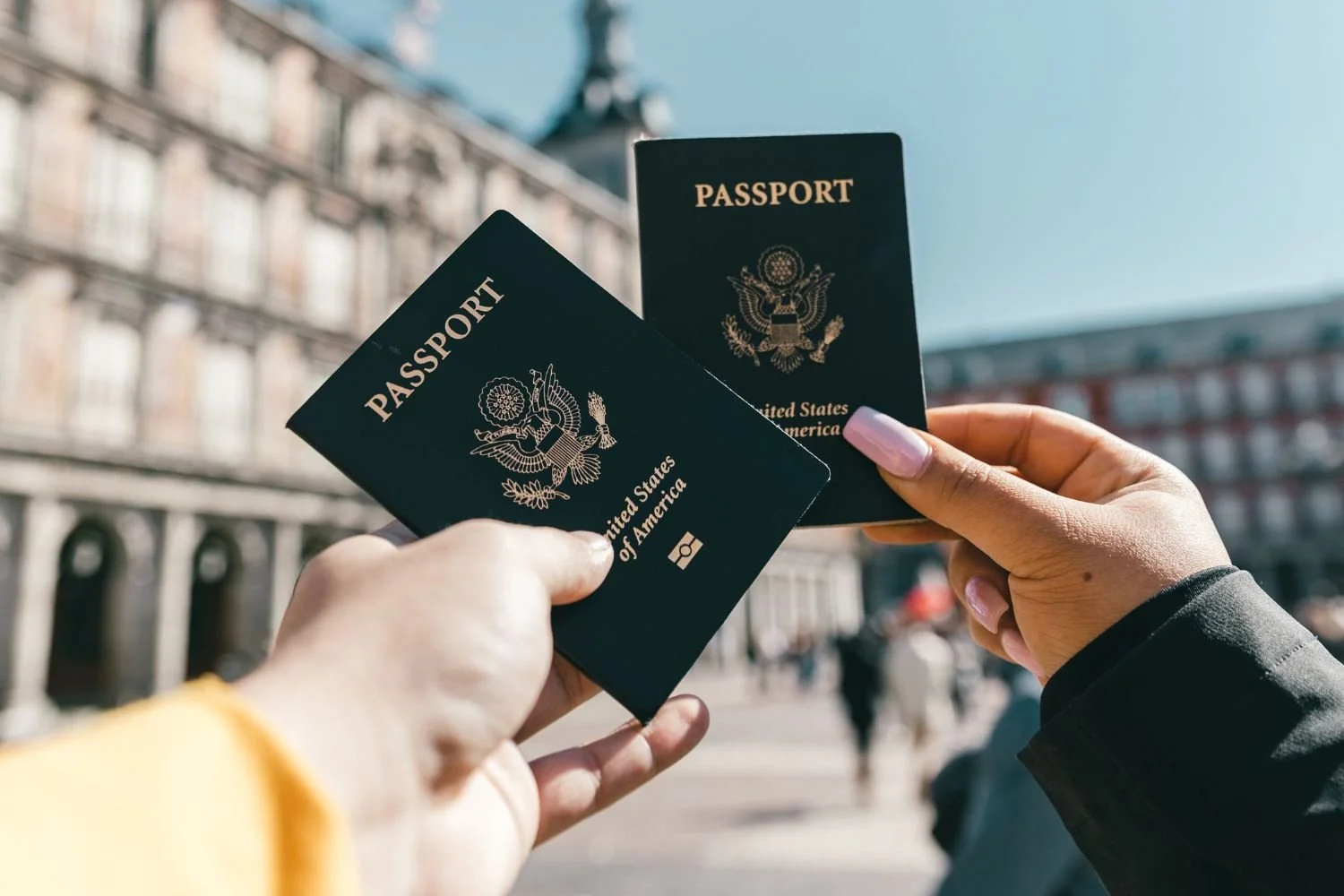
If you are planning to stay in Mexico for longer than six months, the tourist permit is not your legal foundation. Temporary residency is. It is the status that makes everything else possible: opening a bank account, signing a long-term lease in your own name, registering for CURP, accessing IMSS, and building the four-year path toward permanent residency.
It also goes wrong more often than most guides let on, particularly if you rely on outdated information or try to navigate the two stages without understanding how they connect.
This guide covers the process as it stands in 2026, from the initial consulate appointment in your home country through to receiving your physical residency card in Mexico.
1. What temporary residency in Mexico actually gives you
A Mexican Temporary Resident Visa gives you the legal right to live in Mexico for between one and four years, with annual renewal. It is the starting point for the vast majority of foreigners who relocate here, whether they are remote workers, retirees, families, or corporate assignees.
With temporary residency, you can:
Live in Mexico legally beyond your tourist permit, which allows up to 180 days, with the immigration officer setting the number at entry (Ley de Migración, art. 52 fr. I)
Open a Mexican bank account at major banks
Sign rental contracts and utility agreements in your own name
Register for CURP (your Mexican identification number)
Access IMSS, Mexico's public healthcare system, as a voluntary contributor, subject to age-based premiums and the pre-existing condition rules covered in our guide to healthcare in Mexico for expats.
Work in Mexico, if your visa includes a work permit (this requires a specific employment category) The employer-led process, including the Constancia de Inscripción de Empleador and the work permission itself, is in our guide to getting a Mexico work visa for an employee.
Begin the clock toward permanent residency after four consecutive years
It does not, by default, include the right to work for a Mexican employer. If employment is part of your relocation, the visa category and the employer's involvement in the process change. For retirees and remote workers earning income from outside Mexico, this distinction is generally not relevant.
2. Who qualifies: the three routes to temporary residency
There are three main qualifying routes. Most foreigners relocating to Mexico use the first.
ROUTE 1: INCOME OR SAVINGS The most common route. You demonstrate sufficient regular income or savings to support yourself in Mexico without working. This is the route for retirees, remote workers earning abroad, and those with investment income. Income from Social Security, pensions, rental properties, and investments all qualify.
ROUTE 2: FAMILY TIES If you have a close family member who is a Mexican national or a permanent resident, you can qualify through family ties. This includes spouses, parents, and children. The application process follows the same two stages but the financial requirements are different.
ROUTE 3: EMPLOYMENT WITH A MEXICAN COMPANY If a Mexican employer is sponsoring your relocation, they initiate the process on your behalf. This is the standard route for corporate assignees and executives relocating for work.
3. The income and savings requirements for 2026
For the income and savings route, INM sets the qualifying thresholds as multiples of Mexico's UMA (Unidad de Medida y Actualización). The multiples were set by the Lineamientos published in the Diario Oficial de la Federación on 25 July 2025. The UMA value itself is revised each February, which is why the peso figures move once a year.
As a practical guide for 2026, the approximate thresholds are:
Monthly income route: MXN 79,771 ($4,676 USD) a month, demonstrated across six consecutive months of bank statements
Savings route: MXN 1,344,373 ($78,800 USD), held in a bank or investment account and demonstrated across twelve consecutive months of statements
Each dependant: adds MXN 25,808 ($1,513 USD) a month to the income threshold
The multiples are set in UMA rather than in dollars, which is why the peso figures are exact and the dollar equivalents are not. Our guide to the financial requirements for Mexican residency sets out how each threshold is calculated and the bank statement formats consulates accept.
Statement periods are set by the route: six months for income, twelve months for savings. Statements must be in your name, and in most cases will need to be certified or accompanied by a bank letter. Consulate requirements on document certification vary. Some require a full apostille. Others accept certified translations. This is one of the details worth confirming before you prepare anything.
You can test your own figures against these thresholds with our residency calculator, which also accounts for dependants and converts at the current exchange rate.
🏴 VIAMEXICO NOTE These peso figures are current until 31 January 2027, when the UMA is revised. Consulates apply their own exchange rate on the day and differ on how many months of statements they want and how documents must be certified, so verify with the specific consulate where you will apply, or ask us. We track every update so our clients are never caught out by a figure that has changed since they last read a guide online. Get in touch here.
4. How to apply: the step-by-step process
The temporary residency process has two distinct stages. Both are required. Skipping or misunderstanding the sequence is the single most common reason applications fail.
STEP 1: APPLY AT THE MEXICAN CONSULATE BEFORE YOU LEAVE
The first stage happens in your home country, at a Mexican consulate. You cannot begin this process inside Mexico on a tourist permit. This is a firm rule and not one with practical workarounds.
The consulate appointment covers:
Submitting your application form and supporting documents
An interview (brief, and typically straightforward)
Payment of the consulate fee
If approved, a visa sticker placed in your passport
That visa sticker is valid for a single entry into Mexico within a set window, typically 180 days from issue. It is not your residency card. It is the authority to complete Stage 2.
STEP 2: COMPLETE THE PROCESS AT INM IN MEXICO
Once you arrive in Mexico on your consulate visa, you have 30 days to present yourself at the nearest INM (Instituto Nacional de Migración) office. This is where your residency card (the tarjeta de residente) is actually issued.
At the INM appointment you will:
Present your passport with the consulate visa sticker
Submit the INM application form and fee
Provide proof of your Mexican address
Have your photograph and fingerprints taken
Your physical residency card is typically issued the same day to two weeks after this appointment, depending on the INM office.
DOCUMENTS YOU WILL NEED FOR THE FULL APPLICATION
For the consulate stage:
Valid passport with at least six months' validity beyond your intended stay
Completed application form (available from the consulate)
Passport photographs (consulate will specify dimensions)
Bank statements for the required period, certified or with a bank letter
If using savings route: investment or savings account statements
Any additional documents required by your specific consulate (check their website)
For the INM stage in Mexico:
Passport with consulate visa sticker
INM application form (FMM)
Proof of address in Mexico (lease agreement, utility bill, or hotel/Airbnb booking if still temporary)
Payment of the INM fee
5. How long does the process take?
The timeline has two main variables: how quickly you can get a consulate appointment, and how long the INM office takes to issue your card.
Consulate appointment wait times vary significantly by city and time of year. There is no standard wait: depending on the consulate, the first available appointment can be anything from the next day to around two months away. If your nearest consulate is booked up, another consulate with earlier dates may be able to see you much sooner. In peak periods, some consulates are fully booked for around two months.
INM processing in Mexico once you have completed Stage 2 is usually quick: most offices issue the physical card within two weeks, and some the same day. You will receive a receipt (comprobante) after your INM appointment, which functions as temporary proof of your status while the card is being processed.
There is no fixed end-to-end timeline, because the consulate appointment sets the pace: with an appointment the next day, a move can come together in around two weeks, while a fully booked consulate can mean waiting around two months. For anyone planning a move with a fixed start date, checking appointment availability at more than one consulate before committing to that date is sensible.
MORE GUIDANCE LIKE THIS.
Practical tips on visas, neighbourhoods, healthcare, and everyday life in Mexico, straight to your inbox.
6. Can you apply for temporary residency while already in Mexico?
The standard answer is no. The consulate stage must take place in your home country before you enter Mexico. This catches a significant number of people who arrive on a tourist permit intending to convert it to residency from within the country.
There is one exception worth knowing. If you have a close family member who is a Mexican national or permanent resident, it is possible in some cases to initiate the residency process from inside Mexico. This is not available to the general applicant on the income or savings route.
If you are already in Mexico on a tourist permit and the days you were granted are running out (the officer sets them at entry, up to a maximum of 180), your options are to leave, apply at a consulate in a neighbouring country (this is done regularly from the US and from Belize or Guatemala for those already in the south), and re-enter. This is a legitimate approach, though it adds time and cost to the process.
🏴 VIAMEXICO NOTE We regularly coordinate consulate appointments for clients applying from the US, Canada, and the UK, as well as supporting those who need to apply from a consulate abroad. If your situation does not fit the standard route, it is worth getting specific advice before you make any decisions. Speak to us here.
7. What temporary residency costs
| Cost | Approximate amount (2026) |
|---|---|
| Consulate application fee | $40 – $60 USD |
| INM temporary residency card (1 year) | MXN 11,141 ($653 USD) |
| Annual renewal fee | MXN 11,141 ($653 USD) |
| Document translation (if required) | $50 – $150 USD |
| Apostille / certification (if required) | Varies by country |
| Immigration lawyer (if used) | $700 – $1,500 USD |
All costs are approximate and subject to change. The government fees in particular are updated periodically. Peso amounts are the official fees.
8. Renewing and upgrading: from temporary to permanent residency
Temporary residency is issued initially for one year and can be renewed annually for up to four years. After four consecutive years on temporary residency, you are eligible to apply for permanent residency.
Permanent residency in Mexico has no expiry date. You live and work in Mexico indefinitely without the need for renewal. The pathway from temporary to permanent is straightforward for those who have maintained legal status throughout.
You can also qualify for permanent residency earlier if you marry a Mexican national, have a Mexican-born child, or meet certain other criteria. The income thresholds for permanent residency applied directly, without the four-year route, are considerably higher than those for temporary residency. Our guide to how to get Mexican permanent residency sets out both routes, the 2026 thresholds for each, and which one tends to suit whom.
9. Common mistakes that get applications rejected
These are the ones that come up most often.
Applying at the wrong consulate. Consulates once required you to apply in the district covering your address, and some still ask for proof of it. Many no longer do. Confirm what your intended post requires before you book, because the ones that still enforce jurisdiction will turn you away.
Bank statements in the wrong format. Most consulates require statements that show the account holder's name, the institution, the account number, and a running balance. Statements generated from online banking portals are often not accepted without a certified bank letter accompanying them. Check the specific consulate's document requirements before printing anything.
Missing the 30-day INM window. After entering Mexico on your consulate visa, you have 30 days to present at INM. Missing this window means the 30-day permit you were given on entry lapses and the Stage 2 process cannot be completed. You would need to leave Mexico and restart from Stage 1.
Overstaying a tourist permit before applying. If you have stayed beyond the days granted on your tourist permit (up to 180, set by the immigration officer at entry) and then attempt to apply for residency, you will face complications. INM takes overstays seriously. The clean approach is to leave Mexico before your permit expires and apply for residency correctly from your home country.
Document apostilles not matching consulate requirements. Some consulates accept translations without apostilles. Others require apostilled documents from the originating country. Requirements have changed in recent years and vary by document type. Verify current requirements directly with your consulate before preparation.
Choosing the wrong help. The quality of facilitators varies enormously, and the cost of picking badly is not the fee, it is the months a rejected application takes off your timeline. We have set out how to judge a relocation provider separately.
10. How ViaMexico handles the residency process
The residency process is manageable when you know exactly what is required. It becomes significantly more stressful when you are preparing documents against a moving deadline, working across two bureaucracies in two countries, and are not certain whether your paperwork meets the current requirements of your specific consulate.
ViaMexico coordinates the full residency process for clients relocating to Mexico. That means preparing your document package to the specific requirements of your consulate, coordinating the appointment, supporting you through the INM stage in Mexico, and making sure nothing falls through the gap between Stage 1 and Stage 2.
Ready to get your residency process started? Book a free discovery call and we will walk through your situation, your timeline, and what you need to prepare.