
LIVING IN MEXICO CITY.
What life in the capital is actually like: the neighbourhoods, the real costs, the lifestyle and the trade-offs. Written by people who live here, for people deciding whether they should.
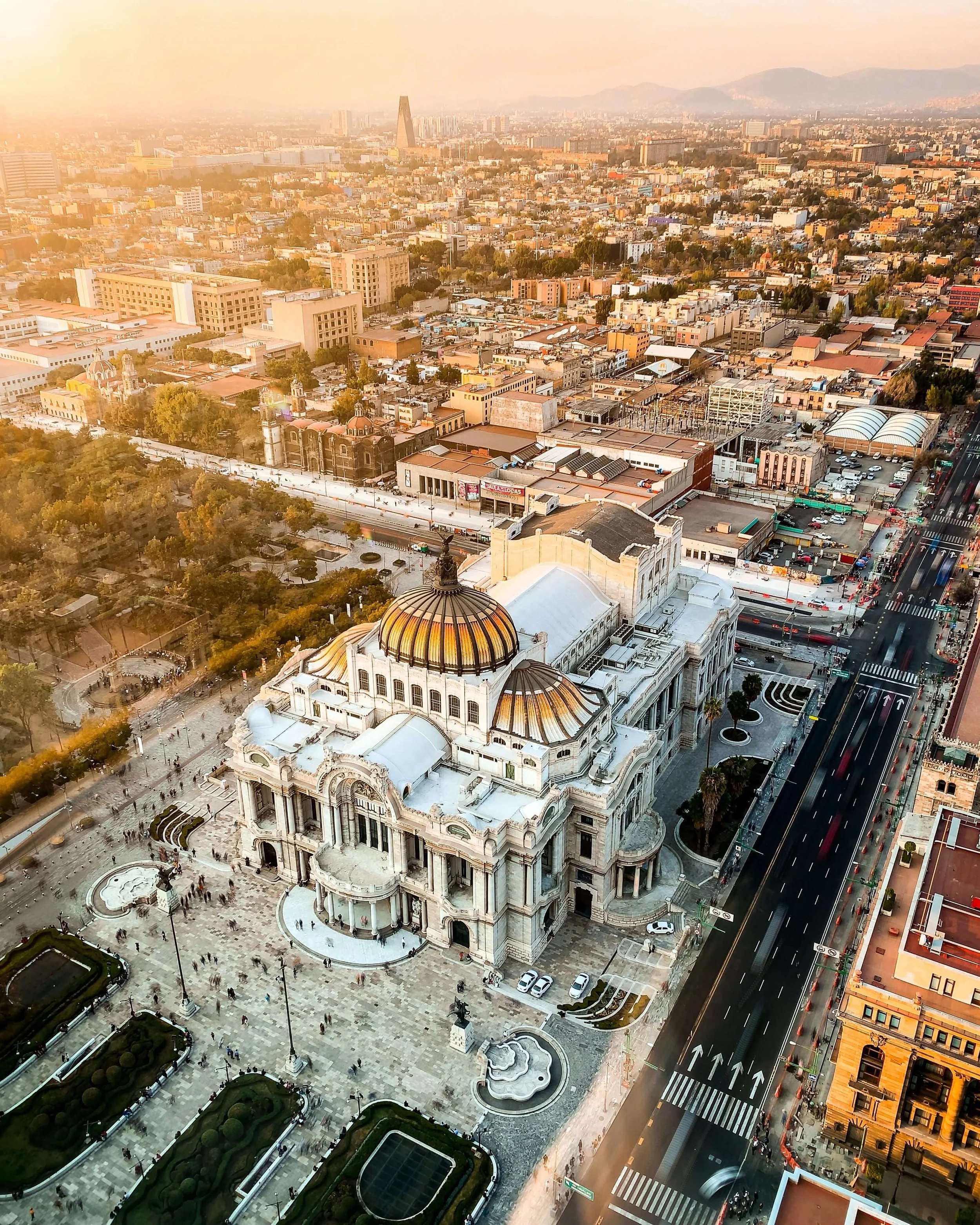
01 · The City
Mexico City is the most cosmopolitan place to live in the country, and for a great many expats it is the most rewarding. World-class food, a serious cultural life, a large international community, and a standard of living that would cost several times more in a major US or European city.
It also asks more of you than a beach town does. It is vast, it is high, and its bureaucracy takes patience. This page is about whether the city genuinely fits you. For the step-by-step of the move itself, the visas, the banking, the rental process, our complete guide to relocating to Mexico City covers the mechanics in full.
What keeps me here is the range. You can go from the polish of Polanco to the history of Centro in an afternoon and feel like you have crossed continents. The safety question everyone asks, works much like any major city: there are areas you would not wander into and areas you would.
The real adjustment is not cultural, it is administrative. The people who struggle here are not the ones who find Mexico hard; they are the ones who arrived expecting it to work like home.
A CITY THAT REWARDS THE FULLY COMMITTED
Part of being useful is saying who a place is not for. Mexico City suits people who want a complete urban life. Those after quiet and warmth often do better elsewhere, and we say so.
The strongest digital nomad base in Mexico. Coworking, connectivity and community are all here, and the time zones work.
Digital nomad serviceThe widest choice of international schools in the country, though the school you choose often decides the neighbourhood.
Family relocationsMore head offices and nearshoring operations land people here than in any other Mexican city.
Corporate serviceA strong choice for those who want culture and healthcare over a beach. For a warmer, slower pace, many prefer Puerto Vallarta or Lake Chapala.
Retiree serviceNOT THE LOWEST COST IN MEXICO.
STILL A FRACTION OF HOME.
Rents in the popular neighbourhoods have risen sharply since 2020, and the city now runs higher than inland options such as Mérida or Lake Chapala. Two costs catch families out: international school fees, which run into serious money, and the deposits and guarantor requirements on rentals. We factor both in when we scope a move, so the number you plan around is the real one.
| City | Monthly budget, couple | Character |
|---|---|---|
| Mexico City | $3,000–$4,500 | Culture, food and healthcare at their best |
| Puerto Vallarta | $3,060–$5,340 | Beach lifestyle, established expat base |
| Mérida | $2,000–$3,000 | Lower cost, hot climate, very safe |
| San Miguel de Allende | $3,000–$4,500 | Premium colonial town, strong expat scene |
| Lake Chapala | $2,000–$3,000 | Gentle climate, long-standing retiree hub |
THE NEIGHBOURHOOD IS THE REAL DECISION.
The city is vast, so where you live shapes everything from your commute to your social life. The standard of housing is genuinely high, from modern apartments with rooftops and security to characterful older buildings in Roma and Condesa. One piece of friction worth knowing before you view anything: renting almost always means providing a fiador, a guarantor who owns property in Mexico, or paying for a policy that stands in for one. How that works, with contracts and deposits, is in the relocation guide.
| Neighbourhood | Character | Suits |
|---|---|---|
| Condesa & Roma Norte | Leafy, walkable, cafe culture | Large expat community, remote workers |
| Juárez | Central, characterful, improving fast | First-timers in the thick of it |
| Polanco | Upscale, quiet, secure | Executives, higher budgets |
| Lomas de Chapultepec | Green, residential, spacious | Families wanting space |
| Santa Fe | Modern, corporate, suburban | Families near international schools |
| Coyoacán & San Ángel | Historic, cobbled, slower | Character over nightlife |
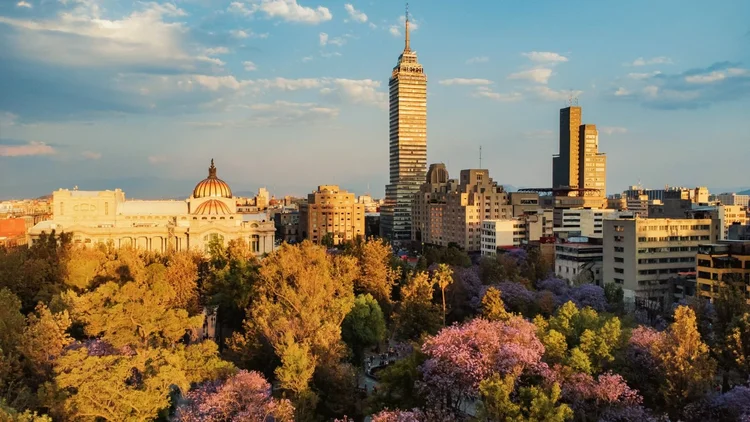
THE PRACTICAL PICTURE.
Private healthcare is world-class. Hospitals such as ABC, Médica Sur and Ángeles are modern and fast, specialists are excellent and often English-speaking, and the experience frequently beats what expats knew at home, at lower cost. Good private insurance is close to essential; the public IMSS system is a safety net, not a plan.
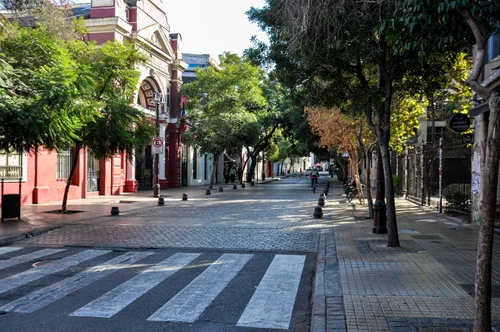
Most expats run on Uber and Didi, which are inexpensive and everywhere. The Metro is vast and costs pennies but is packed at peak. Traffic is heavy, which is why people live near where they spend their time. Condesa, Roma and Polanco are properly walkable.
The honest version: serious crime concentrates in areas expats never go, and the neighbourhoods foreigners live in are among the safest in the city. The day-to-day risk is petty theft, managed with ordinary big-city sense. Life here feels far calmer than the headlines abroad suggest.
The international community is large and welcoming to plug into: school parent networks, coworking, meetups and the endless WhatsApp groups. Even basic Spanish transforms your experience, and Mexicans meet genuine effort more than halfway.
ONE OF THE GREAT EATING CITIES ON EARTH.
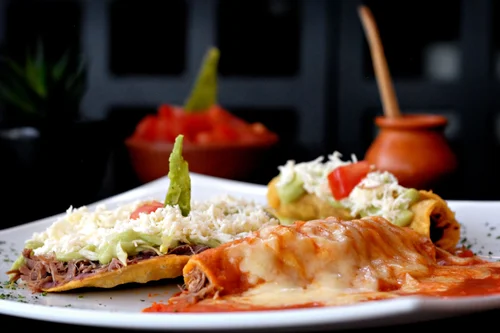
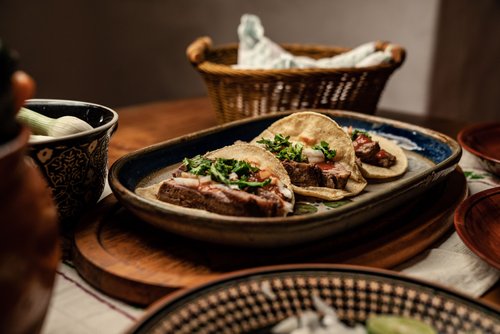
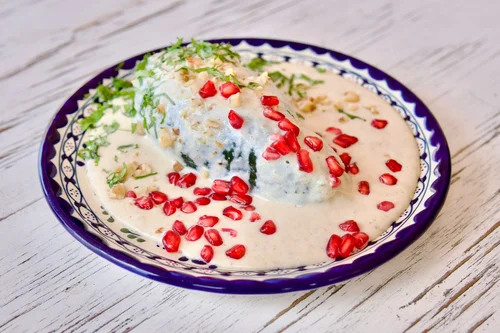
Street tacos and markets at one end, some of the most celebrated restaurants anywhere at the other, and an enormous middle of cantinas, taquerías and specialty coffee. Eating well is woven into daily life here, not reserved for occasions.
The culture runs just as deep: the Museo Nacional de Antropología among the finest museums anywhere, galleries, live music, mezcalerías and a packed calendar. Chapultepec, one of the largest city parks in the world, anchors the running and cycling, Reforma closes to traffic for cyclists on Sundays, and boutique gyms, yoga and padel cluster through the expat neighbourhoods. Golf, fair warning, is expensive here compared with the UK or US.
And the weekends are a quiet luxury. Teotihuacán is an hour out; Tepoztlán, Valle de Bravo, Puebla and Cuernavaca all make effortless escapes. You can be somewhere completely different within two hours without it being a production.
THE DOWNSIDES
NOBODY MENTIONS
None of these are dealbreakers for most people. But you should arrive knowing them, because they are real.
- The altitude
At 2,240 metres, some people feel it for a week or two: breathlessness on stairs, tiredness, alcohol hitting harder. It passes, but it is genuine.
- Earthquakes
The city sits in an active seismic zone. Newer buildings are built to strict codes and drills are routine, but it is part of life here.
- Air quality
Pollution can be poor in the dry winter months, and sensitive people notice it.
- Traffic and scale
Crossing town at rush hour can take well over an hour, which is exactly why the neighbourhood decision matters so much.
- The friction
Tap water is not drunk, so homes run on bottled garrafones or filters. And the admin, banking, the guarantor, getting set up, is slower than you are used to.
Is Mexico City safe to live in?
For most expats, yes. The neighbourhoods where foreigners tend to live, Condesa, Roma, Polanco, Lomas, are among the safest in the city. Serious crime concentrates in areas visitors rarely go; the everyday risk is petty crime, handled with ordinary big-city awareness.
How much does it cost to live in Mexico City?
A couple living comfortably in a good neighbourhood should budget roughly $3,000 to $4,500 a month including rent. A well-located two-bedroom runs around MXN 25,000 to 45,000 (about $1,350 to $2,450). More than Mérida, far less than a comparable US city.
Which neighbourhood is best for expats?
Condesa and Roma suit professionals and remote workers who want walkability. Polanco and Lomas suit those wanting quiet, security and space. Families often choose Santa Fe or Lomas for the international schools.
Is the altitude a problem?
Some people feel the 2,240 metres for a week or two: mild breathlessness, tiredness, alcohol having more effect. It settles quickly for almost everyone. Anyone with heart or lung conditions should speak to a doctor before moving.
Do you need Spanish to live here?
You can get by without it in the main expat neighbourhoods, but learning it transforms your experience and is the single biggest thing that gets you out of the expat bubble.
Is the tap water safe to drink?
No. Homes run on large bottled garrafones or filters, and rooftop tanks are standard. It becomes second nature within a week.
ONE POINT OF CONTACT. EVERYTHING HANDLED.
Residency, a home, a bank account, healthcare and schools, coordinated through a vetted local network by people who have made this exact move. The first conversation is free, and we would rather give you the honest picture than a simplified one.