Healthcare in Mexico for expats: Private hospitals, insurance, and what it actually costs

One of the first questions people ask us when they are planning a move to Mexico is what happens if they get sick. It is a fair worry, and the honest answer is reassuring: private healthcare in Mexico is genuinely good, the doctors are often trained in the United States or Canada, and it costs a fraction of what the same care would in the US. Many people who move to Mexico end up preferring it to what they left behind.
That said, there is nuance worth understanding before you arrive, and this guide gives you the real picture rather than the glossy one. Routine care is inexpensive and quick. A major medical event without insurance is not. The system is split across public and private, and knowing which part to use, and how to cover yourself for the serious things, is the difference between healthcare being a non-issue and a nasty surprise. Here is how it actually works, what it costs in 2026, and how to get set up.
IN THIS GUIDE
1. The private hospital system: What to expect
Mexico runs a tiered healthcare system with three broad routes: the public system (IMSS and IMSS-Bienestar), private hospitals and clinics, and simply paying out of pocket for private care. Most expats rely on the private tier, and once you have used it, the reason is obvious.
In the major cities, private healthcare is genuinely high quality. The best hospitals have modern equipment, internationally trained specialists, and English-speaking staff. Waits are short: you can usually see a private GP the same day or the next, and a specialist within days rather than the months you might expect elsewhere. The system is fee-for-service, so you choose your doctor and you pay, either out of pocket or through insurance. There is none of the network complexity that makes US healthcare so exhausting to navigate.
The honest caveat is that this picture is strongest in the cities where expats actually settle. Private care in Mexico City, Guadalajara, Monterrey and the main coastal hubs is excellent. In rural areas the private options thin out considerably, which is worth factoring in if you are considering somewhere off the beaten track.
2. The best hospitals in major expat cities
Rather than crown a single winner, which no one honestly can, here are the private hospitals expats most commonly rely on in each major destination. All have English-speaking staff and international patient support.
| City | Main private hospitals | Notable for |
|---|---|---|
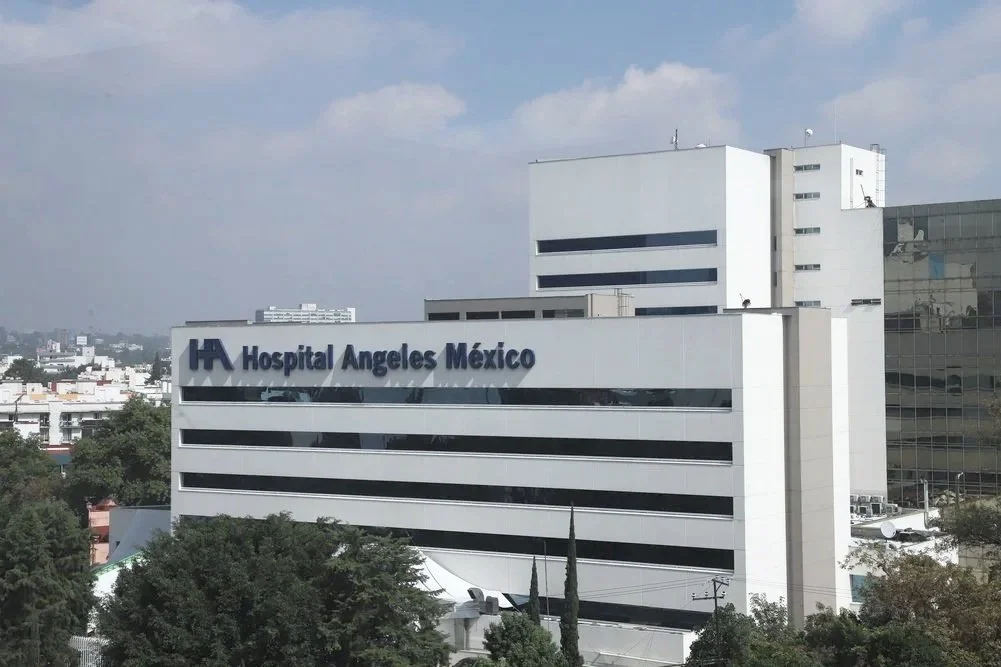
| Mexico City | ABC Medical Center, Médica Sur, Hospital Ángeles | The established choice for expats |
| Guadalajara | Puerta de Hierro, Country 2000, San Javier | Country 2000 serves the Chapala corridor |
| Monterrey | Christus Muguerza Alta Especialidad, San José Tec de Monterrey | JCI-accredited, teaching-hospital links |
| Puerto Vallarta | CMQ, San Javier, Amerimed | CMQ is the Zona Romántica default |
| Quintana Roo | Galenia (Cancún), Hospiten and CostaMed (Playa del Carmen) | Galenia is the state's only Level 5 hospital |
Wherever you land, it is worth verifying a hospital's accreditation and confirming its international patient office before you need it. If you are still choosing a city, our guides to Mexico City, Puerto Vallarta and Playa del Carmen cover what living in each is actually like.
3. What private care costs without insurance
This is where Mexico surprises people. Paying out of pocket for routine private care costs a fraction of US prices. As a rough 2026 guide:
| Service | Cost (USD) | Cost (MXN) |
|---|---|---|
| GP consultation, private | $45 to $80 | 800 to 1,400 pesos |
| Pharmacy consultorio visit | $2.50 to $3.50 | 45 to 60 pesos |
| Specialist consultation, general | $45 to $80 | 800 to 1,400 pesos |
| Specialist consultation, established, major city | $85 to $145 | 1,500 to 2,500 pesos |
| Comprehensive lab panel | Under $55 | Under 1,000 pesos |
| MRI | $210 to $700 | 3,700 to 12,200 pesos |
| Private hospital room, per night | $170 to $305 | 3,000 to 5,300 pesos |
Specialist pricing is the part worth understanding. A general specialist costs much the same as a private GP, and it is the established names in the major cities that carry the premium, with cardiologists and neurologists at the top of the range.
Emergency admission works differently. Private hospitals usually ask for a deposit before treatment begins, typically $800 to $1,430 (14,000 to 25,000 pesos) depending on what is involved.
🏴 VIAMEXICO NOTE The single most useful thing to understand about healthcare costs in Mexico is the split. Routine care is inexpensive enough that plenty of people pay cash and never think about it. Major events are a different story: an ICU stay, a complex surgery or cancer treatment can run into tens of thousands of dollars, even at Mexican prices. A hip replacement that might be $40,000 in the US could be closer to $12,000 here, which is a relief, but it is still $12,000. So the real question is never "do I need insurance to cover a GP visit", because you do not. It is "am I covered for the event I cannot predict". That is what insurance is for here, and it is how most sensible residents structure things: pay cash for the small stuff, insure the catastrophic.
4. Private health insurance: Mexican vs international policies
Private health insurance in Mexico splits into two families, and choosing between them is the main decision.
Mexican major-medical plans (gastos médicos mayores) A comprehensive private health insurance policy runs roughly $370 USD-$670 USD per month per person in mid-life. Premiums rise steeply with age: 2026 Mexican market reference ranges put a broad-cover local policy for someone aged 56 to 65 as high as MXN 160,000 a year, around $670 a month.
International expat plans from insurers such as Cigna Global, Allianz and BUPA, cost more, commonly half again to double a comparable local policy. In return they cover you across borders, including trips home, and often handle pre-existing conditions through a moratorium rather than a hard exclusion. They rise with age as local policies do, which is why the gap between the two narrows considerably by your sixties.
Overview Premiums are largely an age story. Healthy applicants in their 40s and 50s commonly find solid local cover for cheaper. At retirement age the picture changes: 2026 market reference ranges put a broad-cover local policy at 56 to 65 as high as MXN 160,000 a year, around $670 a month. That brings local pricing close to international pricing, which makes the cross-border option worth a harder look at 62 than it deserves at 45.
One genuinely current point for 2026: private premiums are rising noticeably this year. Part of it is ordinary medical inflation, but there is also a specific tax change. Under the Ley de Ingresos de la Federación 2026, insurers can no longer credit the IVA they pay to hospitals and providers when settling a claim, so that cost is being passed on to policyholders. If you are getting quotes, expect them to be higher than figures you may have seen from a year or two ago.
One thing worth knowing if you file a Mexican tax return: medical costs are deductible. Doctors' and dentists' fees, hospital bills, clinical tests, nursing fees and health insurance premiums all count as personal deductions, capped at whichever is lower, 15 percent of your annual income or five annual UMAs, which is MXN 213,973.20 for 2026. The SAT sets out the full list here. Three conditions catch people out. The expense must be paid by card, transfer or cheque rather than cash. You need a proper CFDI invoice made out to your RFC, which means having your RFC in place first, something we cover alongside opening a Mexican bank account. So ask for the factura at the time, because getting one afterwards is considerably harder. And medicines bought at a pharmacy are not deductible; only those billed as part of a hospital stay are.
As for which type of insurance is best, there is no single answer, and anyone who gives you one without asking about your circumstances is guessing. It genuinely depends on three things: your age, any pre-existing conditions, and how often you plan to travel back to your home country for care. Full-time residents who rarely leave Mexico often do better with a strong local plan. Those with cross-border lives, or who want the option of treatment back home, tend to justify the international premium. Whatever you choose, read the pre-existing exclusions and waiting periods carefully, and confirm that the specific hospital you would want to use is in the plan's network.
If you are working out whether the numbers add up, our guide to what retirement in Mexico costs sets insurance alongside rent, groceries and everything else.
🏴 VIAMEXICO NOTE If there is one piece of timing advice worth acting on, it is this: sort your cover while you are insurable. Both private insurers and the public system become harder to access as you age and as conditions develop. Private local insurers largely stop issuing new policies around 70, and the public system permanently excludes certain pre-existing conditions outright. The people who get caught out are almost always the ones who defer the decision, assuming they will sort it later. Later is exactly when it gets more expensive, more restricted, or impossible. This is a decision to make early, not when you finally need to use it.
5. IMSS: What it covers and what it costs
IMSS is Mexico's social security health system, and legal residents can enrol voluntarily under Modalidad 33 which means securing residency first, a process we cover in our guide to temporary residency. The Seguro de Salud para la Familia. It is best understood as a safety net rather than most expats' primary route to care.
The appeal is the price. The annual premium is age-based, paid upfront as a lump sum rather than monthly, and works out very roughly at $460 to $1,100 a year depending on age, well below any private policy. For that you get access to IMSS clinics and hospitals nationwide.
The limitations are significant and worth being clear-eyed about. IMSS enforces hard exclusions: a history of malignant cancer, chronic kidney failure, advanced diabetes with complications, severe heart disease or HIV will see a voluntary application permanently rejected, with no appeal. Other conditions, such as benign tumours and certain hernias, carry waiting periods of one to two years during which you still pay but are not covered for that condition.
Then there is the day-to-day reality of using it. Waiting times are the most common complaint: routine appointments can take weeks and specialist referrals or elective surgery can stretch to months, which is a different world from the same-week access private care gives you. Medicine supply is inconsistent, and shortages tend to bite hardest on exactly the treatments you cannot postpone, the ongoing prescriptions for chronic and specialist conditions. And the system runs in Spanish. Doctors and staff who speak fluent English are the exception rather than the rule, which means describing symptoms, understanding a diagnosis and reading a consent form all happen in your second language, at the moment you are least equipped for it. You also do not choose your clinic or your doctor.
Taken together, that is why IMSS is not something to rely on as your main route to care. It could work as a low-cost backstop sitting behind private cover. What it is not is a substitute for a private policy, and treating it as one is a decision most people regret at the point they actually need treatment. For anyone with a pre-existing condition, the exclusions above are precisely why private cover matters.
MORE GUIDANCE LIKE THIS.
Practical tips on visas, neighbourhoods, healthcare, and everyday life in Mexico, straight to your inbox.
6. Finding an English-speaking doctor
Finding a doctor who speaks fluent English is straightforward in the main expat cities, and there are good ways to do it well rather than by guesswork.
The private hospitals listed above all have English-speaking staff, and most have an international patient office that can match you to the right specialist. In Mexico City specifically, the highest concentration of English-speaking practitioners sits in Polanco (specialists, dental and dermatology) and in Condesa and Roma (GPs, therapists and wellness practitioners), which are also where much of the city's expat community is concentrated.
Whoever you choose, verify their credentials. Every licensed doctor in Mexico holds a cédula profesional, which you can check for free by searching their full name at the government registry, cedulaprofesional.sep.gob.mx. A general medical cédula confirms the licence exists; a specialist should also hold a cédula de especialidad. It takes two minutes and is worth doing.
Telemedicine is also widely available, with several providers offering consultations at rates comparable to an in-person GP visit, which is convenient for follow-ups and minor issues. Expat community groups on Facebook are useful for personal recommendations, but treat those as a starting point and verify credentials yourself rather than relying on a stranger's endorsement.
7. Medications and pharmacies
Pharmacies are everywhere in Mexico, and the way they work differs from what many newcomers expect. Many medications that require a prescription elsewhere are available over the counter here, which makes managing routine prescriptions simpler.
The generics question is where the real money is. The same medication sold under a well-known brand name can cost two or three times what the generic version costs, and in most cases the difference is the packaging and the marketing rather than the active ingredient. Mexican pharmacies stock both side by side, and the pharmacist will usually point out the generic if you ask. The one caveat is that this is a conversation to have with your doctor rather than a decision to make at the counter, particularly for anything you take long term, because there are conditions where consistency of formulation genuinely matters. Ask which of your prescriptions can safely be switched, then buy accordingly.
Many pharmacies have an adjoining consulting room, the consultorio, where a doctor offers quick, low-cost appointments for minor illnesses, typically for a couple of dollars. It is a genuinely useful first port of call for the small things.
Two practical notes. Controlled medications, including certain antibiotics and anything stronger, still require a prescription, so if you take something regulated, bring documentation from your doctor and a supply to cover your first weeks. And the major chains, Farmacias del Ahorro, Farmacias Guadalajara, Benavides and San Pablo, are reliable and well-stocked. Most of them deliver, either through their own app or through the general delivery platforms, which is worth setting up early. Having a prescription arrive at your door within the hour is a small thing that makes a real difference when you are ill and not yet fluent.
8. Frequently asked questions
-
No. Original Medicare does not pay for care received in Mexico. The handful of exceptions all involve being in the United States at the time, living in a US border area where the nearest hospital is across the border, or specific cruise ship and Alaska-Canada travel situations, none of which apply to someone living here. Americans retiring to Mexico therefore need private cover, IMSS, or to pay out of pocket. Some Medigap plans cover foreign travel emergencies, and many retirees keep Part B active for treatment on trips home, partly because dropping it can trigger late enrolment penalties if you re-enrol later. Full details are on Medicare's own page on travel outside the US.
-
A local Mexican major-medical plan runs roughly $370 - $670 a month for an individual, while an international plan up to 50% higher. Premiums rise sharply with age, and are climbing in 2026 due to medical inflation and a tax change affecting insurers.
-
There is no single best plan. Full-time residents who rarely travel often do best with a strong local plan; those with cross-border lives or who want treatment options back home usually justify an international policy. The right choice depends on your age, any pre-existing conditions, and how often you fly home.
-
Yes. Private hospitals treat anyone who can pay, and residency is not required. Residency does matter for IMSS enrolment and for some local insurance policies.
-
The main private hospitals have English-speaking staff and international patient offices. In Mexico City, Polanco and Condesa or Roma have the highest concentration of English-speaking practitioners. Always verify a doctor's credentials at the government registry, cedulaprofesional.sep.gob.mx.
9. How ViaMexico helps with healthcare setup
Getting your healthcare sorted is one of those settling-in tasks that is simple once you know how, and stressful when you are doing it cold in a new country and a second language. It is part of what we handle for the people we help move.
In practice, that means connecting you with trusted English-speaking insurance brokers who can compare the local and international options against your age, health and travel patterns, so you are choosing from genuine advice rather than guesswork. It is one of the things we handle as part of a full relocation for retirees and It means helping you weigh the private-versus-IMSS decision honestly for your situation. And it means pointing you to the right hospitals and English-speaking doctors near where you will actually live, so you know where to go before you ever need to. The aim is that healthcare is one less thing weighing on you, sorted early and properly rather than left until something goes wrong.